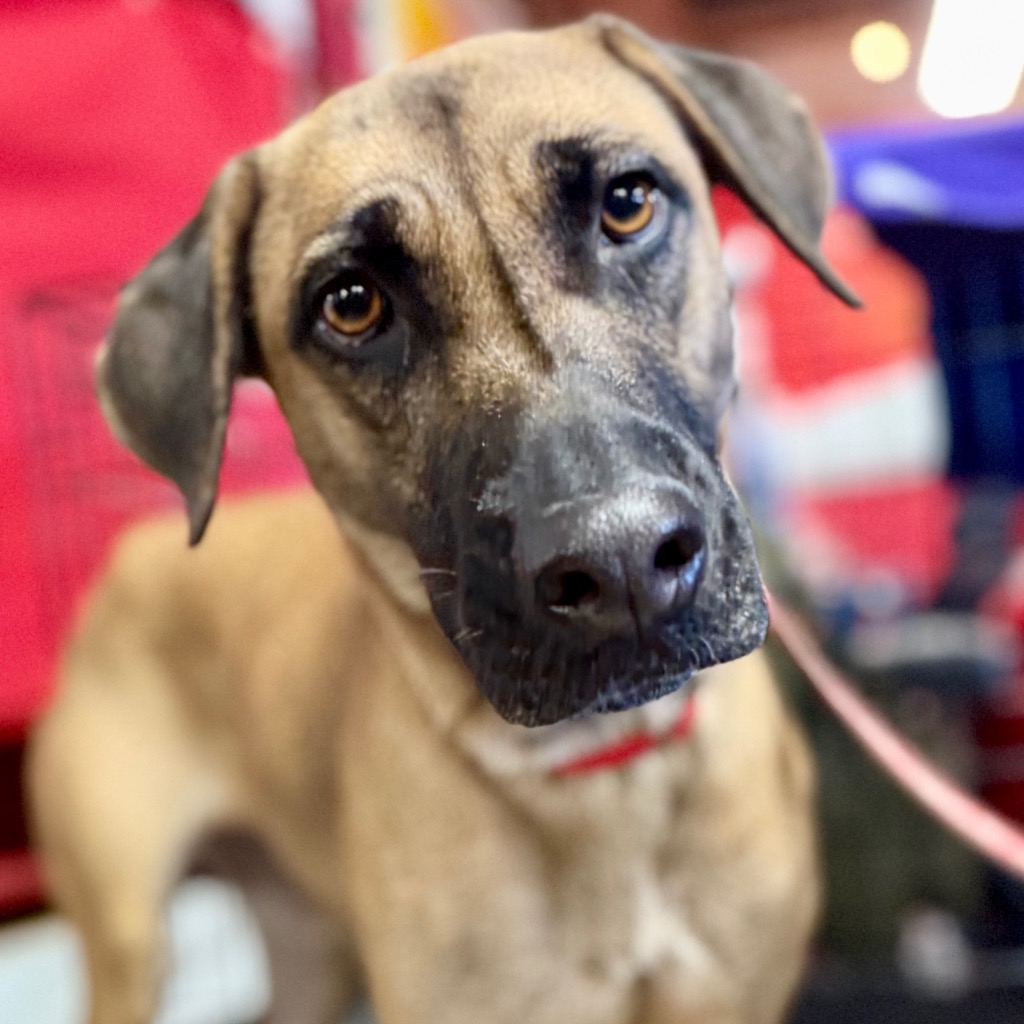

Bringing home a rescue dog is exciting – but it can also be overwhelming for both you and your new dog. As you both get to know each other, we recommend you follow the 3/3/3 rule as a general guideline to help adopters understand what to expect during the first few months.
The 3/3/3 rule breaks the adjustment period into three stages:
- First 3 days
- First 3 weeks
- First 3 months
While every dog is different, this framework offers realistic expectations and encourages patience during the transition.
The first 3 days with your new rescue dog
For most dogs, first three days are often about uncertainty. Your new dog has just experienced a major life change. Even if they seem calm, they’re processing unfamiliar sights, smells, and routines. Remember, they don’t understand what being adopted means. They are just in a new, unfamiliar place.
Perfectly normal behavior you might see:
- Hiding or withdrawn behavior
- Nervous pacing
- Excessive sleeping
- Hesitation to eat or drink
- Accidents in the house
- Testing boundaries
Some dogs may also appear unusually quiet and obedient during this phase. This is often called the “honeymoon stage.” They’re still figuring out their environment and may not yet show their full personality.
What you should do during these first few days:
- Keep your home environment calm and quiet
- Limit the number of visitors to allow your dog to adjust to you first
- Establish a consistent feeding and potty schedule
- Provide a safe, designated space (like a crate or bed area)
- Avoid overwhelming outings or busy dog parks
- Ensure your dog always has a martingale collar on with updated identification tags, and is not off leash
- Update the contact information on the microchip to your own (reference the paperwork you received from us)
Patience is critical. The goal during these first days is to help your dog feel safe.
The first 3 weeks with your new rescue dog
By week three, many rescued dogs start to settle in. They begin to understand daily routines and may start showing more of their true personality. If your dog is still adjusting – that is perfectly ok. Don’t give up on them! This is all still very new to them.
Perfectly normal behavior you might see:
- Increased energy
- Testing rules and boundaries
- Stronger attachment to family members
- Emerging behavioral challenges (jumping, barking, chewing)
- More comfort exploring the home
This is often when adopters realize that training and structure are essential. Dog Star Rescue highly recommends training for every dog to give you and them the skillset they need to be a successful family member. We are happy to recommend a trainer near you so just email us and we’ll give you a list of ones we recommend near where you live.
What you should do during these first few weeks:
- Begin consistent, positive reinforcement training
- Reinforce house rules
- Introduce or reinforce basic commands (sit, stay, come)
- Gradually expand socialization (but be familiar with how to properly introduce dogs to other dogs and dogs to kids)
- Schedule a veterinary check-up if you haven’t already. Bring all of the paperwork we provided to you when you adopted through us (in the gray folder). Your dog will already be up-to-date with vaccines and will be spayed/neutered.
Consistency builds trust. Dogs thrive when they know what to expect.
The first 3 months with your new rescue dog
Around the three-month mark, many dogs feel fully integrated into the home. Trust deepens, routines are familiar, and the dog’s personality shines.
Perfectly normal behavior you might see:
- Strong attachment and bonding
- Improved responsiveness to training
- Increased confidence
- Clear behavioral patterns
- More relaxed body language
This stage is where real transformation often happens. A once-shy or anxious dog may now be playful and affectionate. However, some dogs take longer than others to adjust so patience – especially with shyer or less social dogs is key.
What you should do during these first few months:
- Continue reinforcing training
- Maintain routine and boundaries
- Introduce new experiences gradually
- Strengthen the human-dog bond through play and enrichment
The 3/3/3 rule is a guideline – not a guarantee
Some dogs adjust faster and others need more time. Adopting a dog is a big responsibility and every dog and family is different. Please give them the love, space and guidance to make them comfortable in their new, forever home. Celebrate the small steps and understand that they will make progress and have setbacks. This is all part of your adoption journey. If you have any adoption or dog-related questions, please reach out to Dog Star Rescue by email.